
Note: I am not a medical professional. This information is based on my personal experience with irritable bowel syndrome.
Life with IBS (irritable bowel syndrome) sure is an adventure. An embarrassing and sometimes hilarious adventure. *burp*
According to aboutibs.org, between 20 to 45 million people in America suffer from IBS. Two out of three of those sufferers are women. I think a lot of people have IBS and don’t even realize it. It’s a strange and unpredictable disorder that affects people in vastly different ways.
Symptoms of IBS may include but are not limited to abdominal pain, gas, bloating, diarrhea, and constipation. Symptoms can come and go. They can be mild or severe. It’s kind of like being on a digestive roller coaster, except you’re not having very much fun on the ride.

Much of managing IBS is making lifestyle and diet changes. Nobody wants to be told that you can’t eat certain things you love or are used to, but that’s the reality if you want to take control of your IBS and find some relief.
Enter FODMAPs. This is an acronym for several short-chain carbohydrates that can cause gastrointestinal distress for those with IBS or other digestive disorders. FODMAP stands for:
- Fermentable
- Oligosaccharides
- Disaccharides
- Monosaccharides
- AND
- Polyols
A diet low in FODMAPs can provide tremendous relief for many with IBS, but not for all. Some may be sensitive to all FODMAPs, or just certain ones. It took me a very long time to figure out which ones I am sensitive to. I am still learning as I go.
FODMAPs are in so many healthy foods. Are you eating “healthy” but feel like crap, finding yourself bloated and gassy? You might be sensitive to certain FODMAPs. Cutting them out of your diet, or simply limiting how much you eat, can make a big difference. For example, I cannot eat many fruits and must monitor my raw vegetable intake, or I’ll be rolling on the floor in pain. Limiting garlic and onion in my diet has made a huge difference. (Those were BY FAR the hardest to give up). No more big ice cream sundaes for me, but small portions of ice cream are fine. It’s all about figuring out what works in your gut.
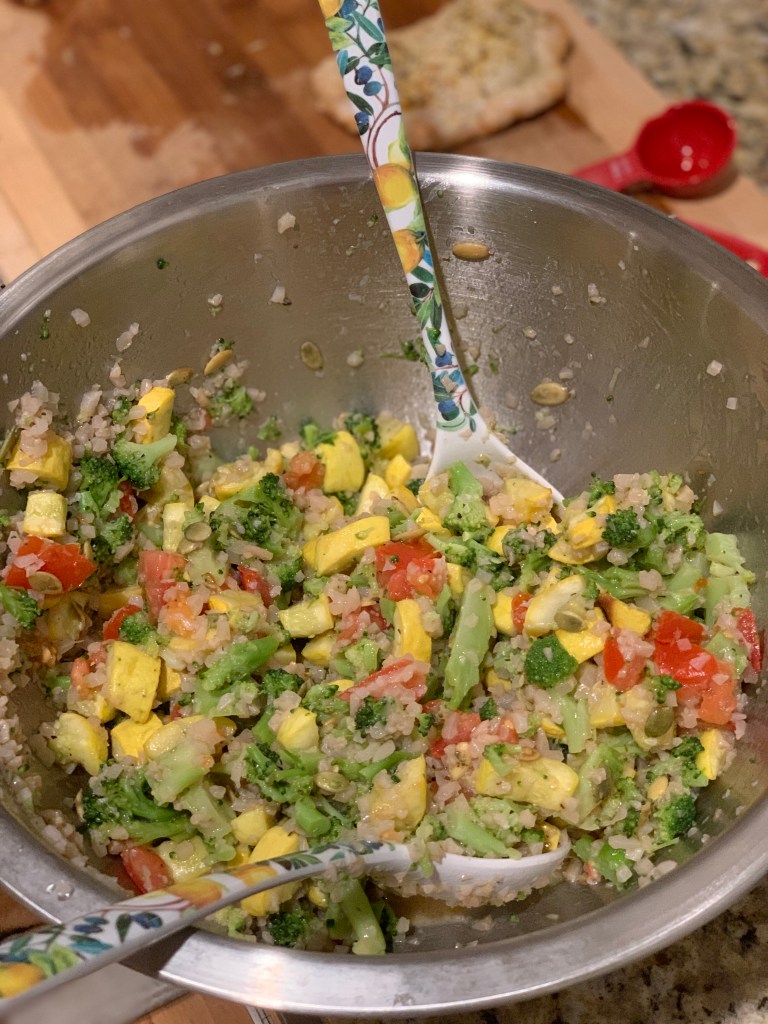
Fun fact – broccoli stems are high FODMAP while broccoli heads are low FODMAP, according to Monash University
We can thank Monash University for developing and leading research on the low FODMAP diet. This sample food list is a good starting point to learn about what foods to eat in moderation and cut out completely. For a more detailed breakdown of what is safe to eat, check out their incredible app.
Those who try out the diet typically eliminate all foods on the “don’t eat” list at first then slowly reintroduce foods back into their diet one at a time. This way, you have a shot at figuring out which of the FODMAPs bother you and which ones don’t. You’ll quickly learn that some things truly cause you pain – and sadly, you may have to eliminate or limit those things more permanently (if you don’t want symptoms to return). The good news is, you’ll also find out which foods don’t bother you at all, or which ones you can enjoy in moderation.
My doctor first suggested I try a low FODMAP diet many years ago. She handed me a list of foods that I couldn’t eat on the diet. I took one look at that paper and shoved it in a drawer, never to be seen again. I was so utterly overwhelmed by the number of foods that I was supposed to eliminate. Not only that, but so many of them were HEALTHY foods (say goodbye to grabbing an apple for a quick, healthy snack). As a busy college student who didn’t cook and graced the dining hall frequently, this seemed completely unreasonable.
Fast forward a few years and my symptoms really started to spiral out of control. In addition to IBS, a few other gastrointestinal diagnoses were added to my list. I knew I had to take control of my eating life.
Thankfully, I had taken an interest in cooking a few years after graduating college. When I first found joy in the kitchen, I was not cooking with my gut in mind. Onions and garlic were in EVERYTHING I made. But when my flare ups starting getting really debilitating, I began to completely change the way I cook and consume food.
I felt so alone and overwhelmed when I first realized that significant changes needed to be made. Luckily, the Internet helped me connect with people who face the same challenges I do (thank you, Pinterest!). I am beyond grateful for the amazing bloggers, nutritionists, writers, and recipe developers who are out there sharing their information with the world. Here are a few of my favorite blogs that focus on low FODMAP cooking and eating:
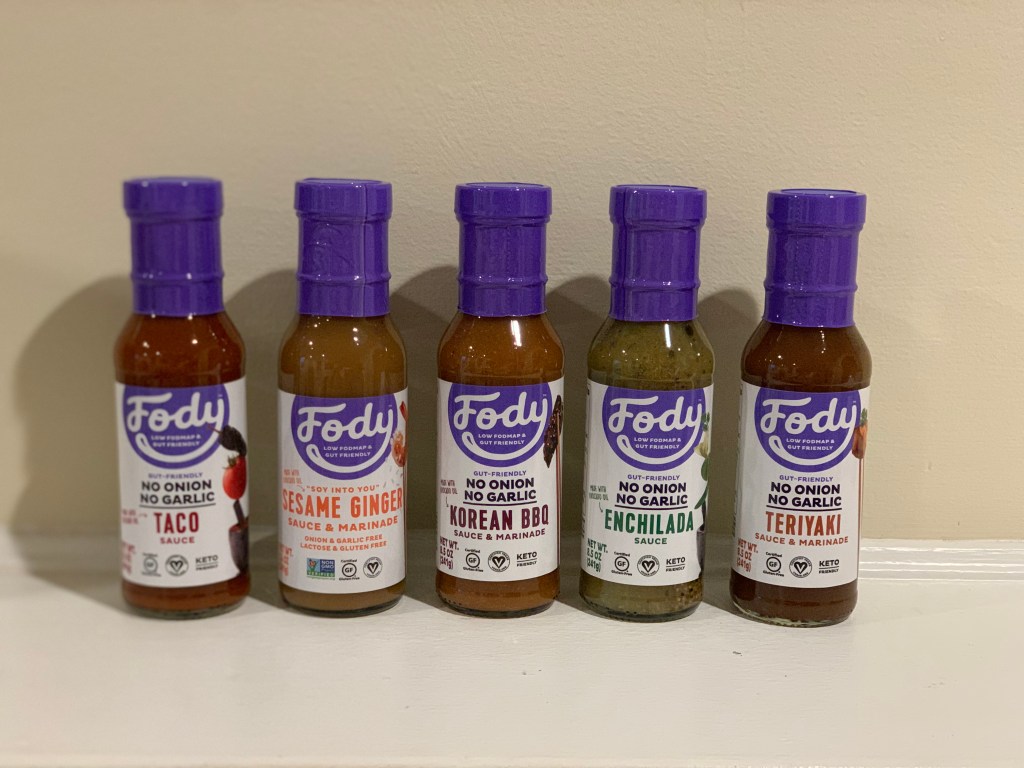
There are also a few stellar brands that make low FODMAP pantry staples that you can order online (fact: onions and garlic are in most dressings, marinades, spice blends, and sauces. TRY to find a salad dressing on the grocery store shelf that doesn’t have onion or garlic in it – I dare you). These companies also have robust recipe indexes (indices?) on their websites to help you find inspiration. Here are a few of my favorite low FODMAP brands that you can shop for online:
I have several Pinterest boards where I keep track of low FODMAP recipes that I’ve cooked or am dying to try. Definitely check them out if you want to learn more:
I know when some people hear the word “diet,” they think about cutting carbs, fats, sugars, or certain foods to get lean or shed a few pounds. THIS IS NOT A WEIGHT LOSS “DIET!” This is a diet to help learn what your body needs to thrive if you struggle with certain gastrointestinal disorders. Just want to make sure that is clear 🙂
If this post helps one person learn more about IBS, find a recipe, or find comfort in knowing they are not alone in suffering, then I will be happy.
 Taco Cat
4 thoughts on “Irritable Bowel Syndrome & The Low FODMAP Diet”