
Note: I am not a medical professional. This information is based on my personal experience with SIBO.
Have you ever been to a crowded house party where you couldn’t have fun because there were just too many bodies packed into a small space?
Imagine your small intestine as the party house. When a few guests (bacteria) trickle in at first, it’s no problem. But when those guests (bacteria) start to multiply, you all the sudden end up with a crowded mess. Too much of a good thing can be a real pain sometimes.
Yes, now I mean literal pain. SIBO stands for small intestine bacterial overgrowth, a disease that can be mildly painful, excruciating, or anywhere in between. People with SIBO have an excessive amount of bacteria in their small intestine. This can cause bloating, abdominal pain, and diarrhea, among other symptoms. Those symptoms can eventually lead to unintentional weight loss and/or malabsorption of nutrients.
When I was first diagnosed with SIBO, I wasn’t surprised. In fact, I was relieved to find out that there was a reason my digestive symptoms were flaring up so badly. I had been eating a relatively low FODMAP diet for my IBS but still had some crippling symptoms. SIBO presents similarly to IBS, so in my mind, this was just the IBS talking. It was completely frustrating doing all of the “right things” and still living in pain.
My diagnosis eventually enabled me to get the care I needed to return to normalcy.
Getting Tested
If your doctor thinks you might have SIBO, they may order a Lactulose breath test. During this test, you drink a sugary substance and breathe into little test tubes every 15 minutes over the course of two hours. They use those samples to test for an abundance of hydrogen and methane in your breath. Results take a few days. My first breath test a few years ago had to be done in the doctor’s office. My most recent breath test could be completed by myself from the comfort of my home and mailed into the lab (great excuse to do nothing but watch Netflix for two hours)! Nothing about the breath test was painful or invasive, though it was annoying to fast leading up to it the day before.
Once I was diagnosed, I wondered – how did I get to the crowded house party in the first place?
How Do You End Up With SIBO?
According to a comprehensive review on SIBO by MD Andrew C. Dukowicz, PhD/MD Brian E. Lacy, MD, and Gary M. Levine, “The two processes that most commonly predispose to bacterial overgrowth are diminished gastric acid secretion and small intestine dysmotility. Disturbances in gut immune function and anatomical abnormalities of the GI tract also increase the likelihood of developing SIBO.” This might sound like gibberish to some, but to me this sounds all too familiar. I have reduced gastric acid due to years of taking a PPI (proton pump inhibitor) to help my gastroesophageal reflux disease/esophagitis. I also have mild gastroparesis, a motility disorder in which the stomach does not empty at a normal rate. I assume these were at least part of the reason I developed SIBO, along with the fact that I have irritable bowel syndrome, but I don’t know for sure. You can check out other risk factors in Table 1 of the article.
The good (or bad?) thing about SIBO, at least for me, is that it comes and goes. If I’m lucky, a course of antibiotics can provide me with relief for up to several months. Some doctors and patients choose not to treat it with antibiotics. Overusing antibiotics can be detrimental to your gut if you are not careful. Every patient is different and should talk to their doctor closely about the best course of treatment.
Apparently, I just can’t stay away from the house party for good. Eventually, the symptoms return, and when drastic changes in my diet don’t help me find relief, I know it’s time to go back to the doctor to see what’s recommenced next.
Diet Can Help
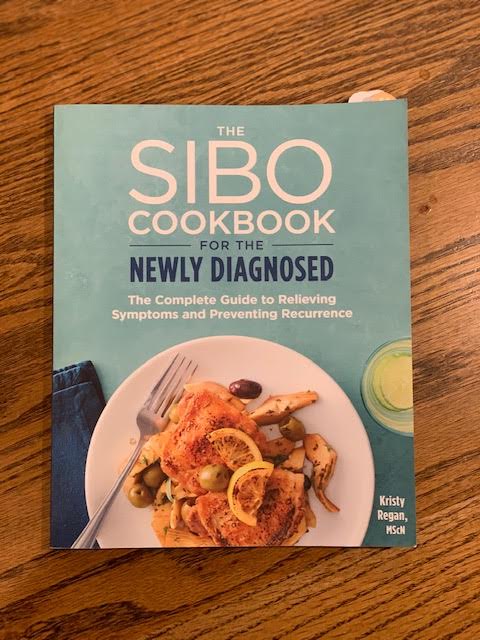
If you have SIBO, you can manage your symptoms with what you cook and eat. Unfortunately, this may mean you have to reframe the way you prepare and consume food. That can seem overwhelming for sure. Luckily, there is an amazing and informative SIBO cookbook by MScN Kristy Regan that is a great starting point. In addition to the 51 recipes it offers, there is a host of information about SIBO that can help you better understand the condition.
I really like how each recipe is coded by diet so that you can easily pick recipes according to other dietary restrictions:
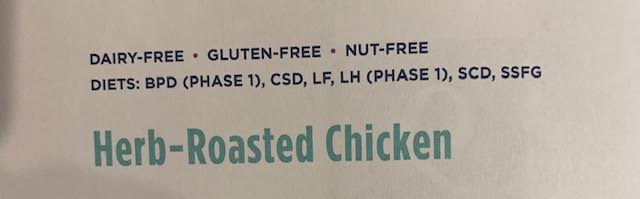
My doctor has told me that a low FODMAP diet is one way to help manage SIBO, so I look for recipes with the LF (“Low Fodmap”) code. If you want to learn more about irritable bowel syndrome and FODMAPS, check out this post!
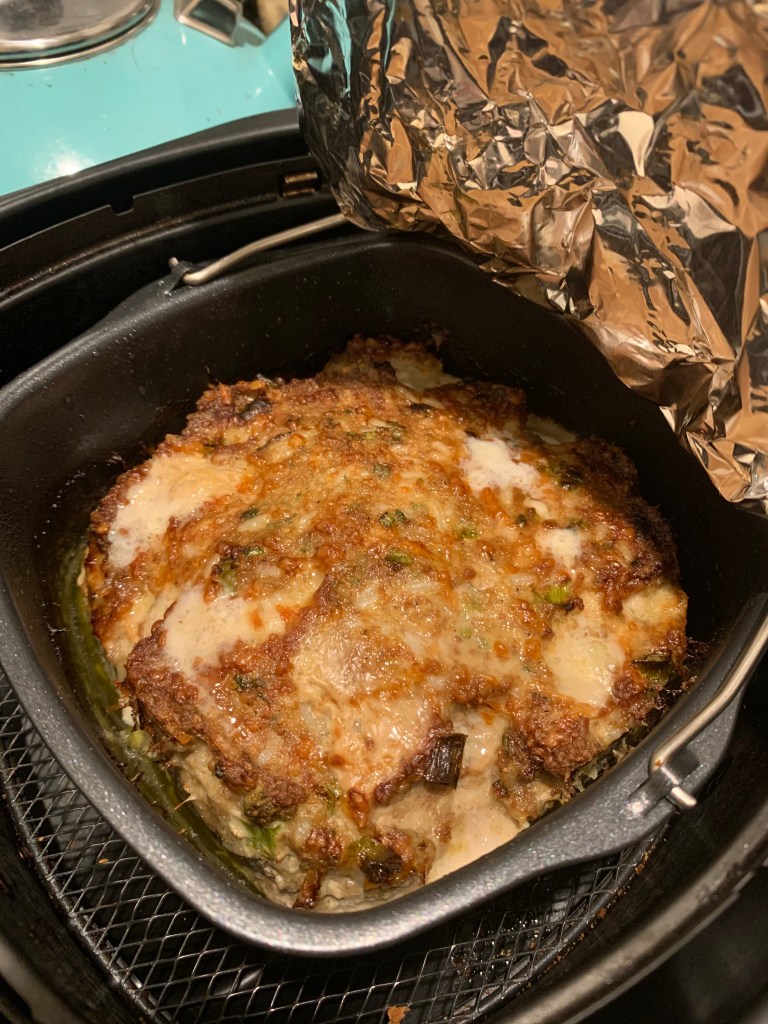
 Taco Cat
This is a lovely cookbook, and the information in it is excellent… however we have had much better luck following a more SIBO-specific ingredient list — one that excludes “low FODMAP” items like avocados, cauliflower, and potatoes. That said, our bodies are all different and finding what works for your body is the best approach! 🙂
LikeLiked by 1 person
That is good to know, Relaena! Thanks for the tip. I have definitely encountered low FODMAP foods that don’t agree with me. I’m still learning every day as I go 🙂 The recipes on your site look fantastic and remind me that we can still enjoy so many yummy foods!
LikeLike