
Note: I am not a medical professional. This information is based on my personal experience with irritable bowel syndrome. Always consult with your doctor before trying new a new supplement or medication.
For the past several months, I have been radio silent on this blog and not as active on Instagram – because life gets in the way sometimes, but also because I have been on a bit of a digestive roller coaster.
It was late February 2021 when, in the digestive sense, things started going awry. Beginning then, I had days with flare ups after every single meal mixed with days of feeling totally fine. I had weeks where a meal didn’t bother me one night but the leftovers made me sick the next day. I was avoiding my usual triggers and attempting to identify new ones. I was tracking my food without being able to find consistent patterns, leaving me scratching my head and undoubtedly feeling frustrated. The flare ups ranged from mildly uncomfortable to completely debilitating. I was utterly exhausted of the unpredictability and feeling so defeated.
Am I eating too much fiber, something that could irritate my gastroparesis? Do I have new FODMAP triggers that are causing my IBS to flare up? Do I have a small bacterial overgrowth again? Is my lymphocytic colitis rearing it’s ugly head? These are the questions I ask myself when my gut goes off the rails. My long list of gastrointestinal abnormalities doesn’t always make it easy to identify why I’m not feeling well.
Needless to say, I was left without my usual enthusiasm for cooking, photographing, and sharing food. Cooking typically brings me so much joy – but I have to remember that my relationship with food is complicated, no matter how much I love it.
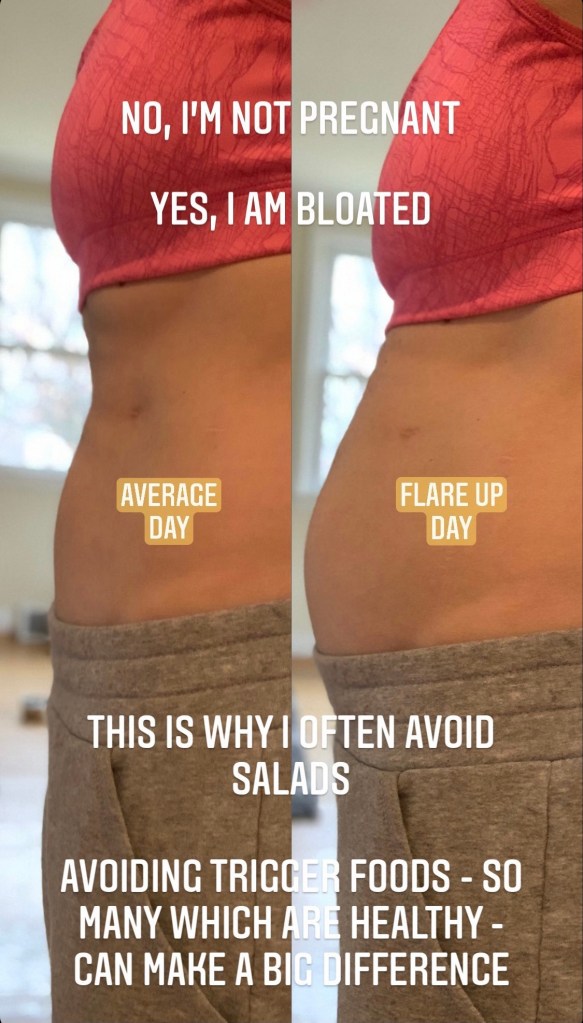
I’m not one to bare my belly on the internet, but here is a picture I posted a few months back on my Instagram story (follow tacocat406!) to show the difference between my belly when it feels fine vs. my belly when I’m having a flare up. So often, I eat something and have the feeling that a balloon is being blown up in my stomach. Sometimes the bloating is accompanied only by mild discomfort. Other times it comes with abdominal pain so uncomfortable, I have to isolate myself on the couch for hours at a time. No wonder I hate wearing zippered pants! Most often, the pain is somewhere in between – enough to be uncomfortable and bother me, but not enough to completely restrict me in my day to day life.
Once I finally met with my gastroenterologist (who, by the way, is one of my favorite people in this universe), we made a 3-step plan moving forward that made gave me hope again:
✅ Step 1: Rule Out Anything New
To be extra safe, my GI ordered an abdominal ultrasound to rule out anything new that we might not know yet (we were mainly thinking gallbladder issues since there’s history in my family). I am happy to report that everything in there looks normal!
✅ Step 2: Test for Small Intestine Bacterial Overgrowth
I suggested this step because it was SIBO that caused similar bouts of pain about one year prior, and several times before that. SIBO stands for small intestine bacterial overgrowth, a condition that can be mildly painful, excruciating, or anywhere in between. People with SIBO have an excessive amount of bacteria in their small intestine. This can cause bloating, abdominal pain, and diarrhea, among other symptoms. Those symptoms can eventually lead to unintentional weight loss and/or malabsorption of nutrients. You can read more about SIBO in this post that I composed last year.
I was SO confident that SIBO was the answer here since it’s something I have struggled with many times before. The lactulose breath test for SIBO is a relatively easy process – you can even do it from the comfort of your own home now if your doctor orders the test to be sent directly to you. Leading up to the test, you must follow an extremely bland diet, restrict certain medications, and fast for the final 12 hours prior to your first breath. During this test, you drink a sugary substance and breathe into little test tubes every 15 minutes over the course of two hours. Once you are done (it takes 2-3 hours), you label each tube, wrap them up, and ship them off at your post office or UPS drop box. They use those samples to test for an abundance of hydrogen and methane in your breath. Results take a few days to obtain.
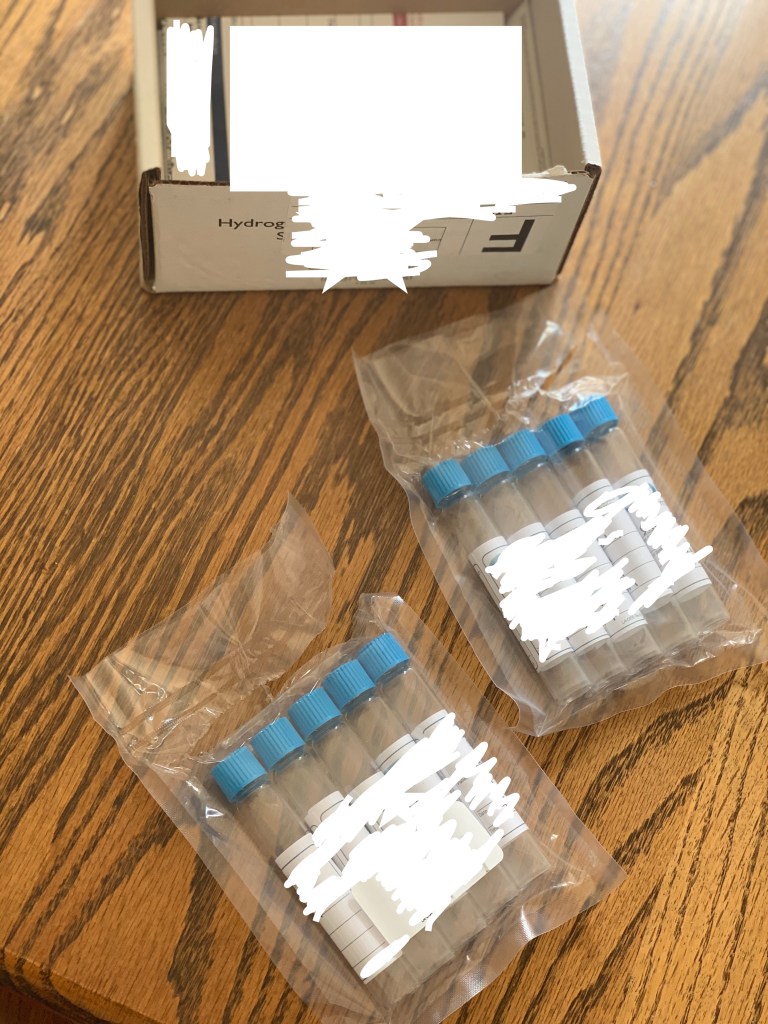
Let me tell you – I am a lactulose breath test expert by this point. This was my fourth one, and each one before had come back positive. This time, I was shocked to learn that my results were NEGATIVE! This was obviously good news – no need to start a course of treatment, and I could rest knowing that my careful diet has kept a bacterial overgrowth from coming back.
Even though this was good news, I was left feeling frustrated and upset because I had no answers. If this wasn’t it, WHY WAS I FEELING SICK ALL THE TIME!? Luckily, the last part of our plan helped me find relief.
✅ Step 3: Experiment with a New Digestive Supplement – IBS Clear
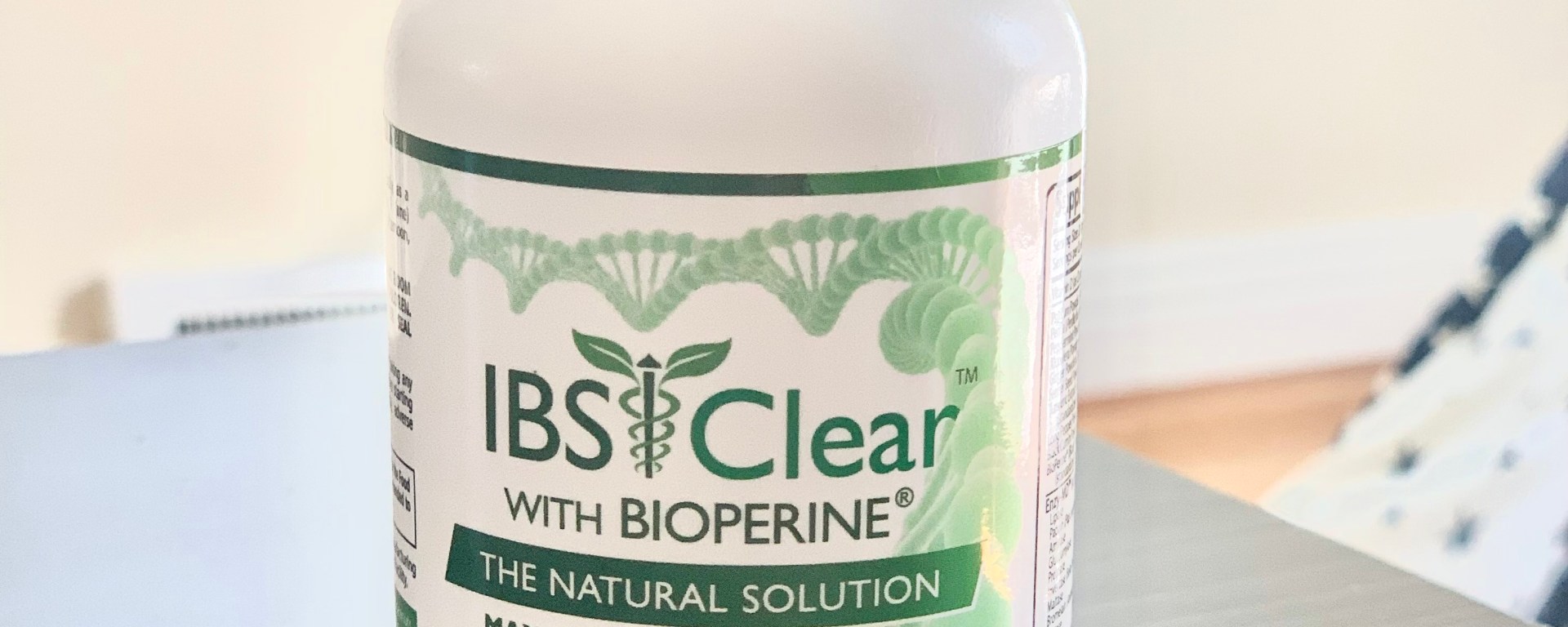
I’ll start by saying this – I should be the spokesperson for IBS Clear because IT CHANGED MY LIFE. IBS Clear is an all-natural herbal supplement made up of 11 ingredients (including ginger, turmeric, and aloe, to list a few) and 10 natural digestive enzymes. This agent helps the smooth muscle that lines the gastrointestinal tract. According to the IBS Clear website, the digestive enzymes included are responsible for “stimulating chemical reactions and assisting in breaking down proteins, carbs, and fats which is essential for full digestion and stress-free elimination.” Bonus: it is vegan and gluten-free. You can read a full list of ingredients and learn more about the supplement on the IBS Clear website.
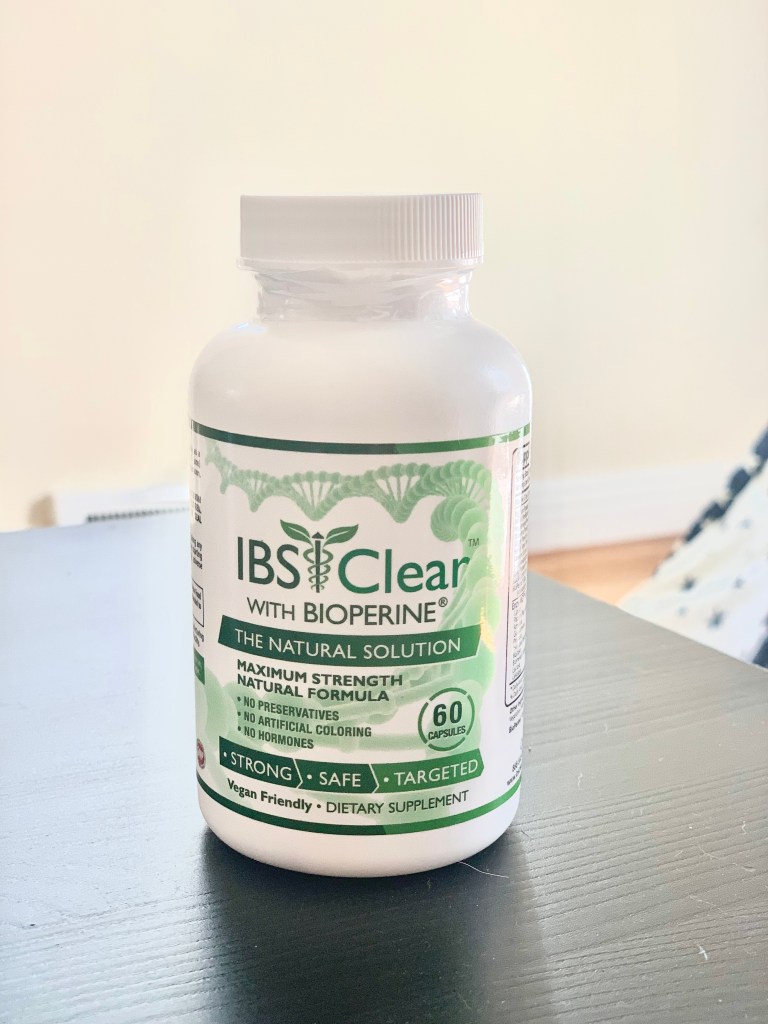
When my doctor told me to try IBS Clear, I was skeptical that it would help as quickly as it did. I started taking it twice a day with meals and felt relief about two weeks after consistently taking it. I was in awe. I couldn’t believe that this natural supplement helped rebalance my microbiome and get me some relief.
I am not saying that IBS Clear is the answer for anyone that has irritable bowel syndrome, but if you are someone with IBS who suffers with symptoms, I think this is definitely worth asking your doctor about. I still have flare ups from time to time, but they are much more manageable and less frequent. You can purchase IBS Clear on their website or on Amazon. Always consult with your doctor before trying a new supplement or medication.
Other Ways to Help Manage IBS
In addition to IBS Clear, my gastroenterologist also prescribed me hyoscyamine (brand name: Levsin), an antispasmodic that I could take on an as-needed basis. This has been an absolute life saver when symptoms like bloating and abdominal pain come knocking on my door.
Medication/supplements are just one piece of the puzzle when it comes to living with a functional bowel disorder like IBS. My gastroenterologist emphasized that there are three main pieces to the puzzle. One big piece to treating a functional bowel disorder is finding the right medication and/or supplements for your body. Another big piece is your diet (this piece of the puzzle took me years to figure out – and I am still learning as I go). The last piece of the puzzle is a combination of your physical and mental health. Regular exercise stimulates natural gut motility (in addition to all the other wonderful things it does for our bodies). I think we forget how vastly important our MENTAL health is when it comes to wellness. My doctor stressed the importance of mindfulness and how big of a connection there is between your brain and gut. Meditation and yoga are two recommended activities to help improve the mind-body connection. Meditation can be easy with apps like Calm or Headspace. Even Peloton has a vast library of meditations aimed to help you sleep better, focus on gratitude, and boost confidence. My wonderful Dad got me hooked on HeartMath – I hope to post more about my experience with that soon.
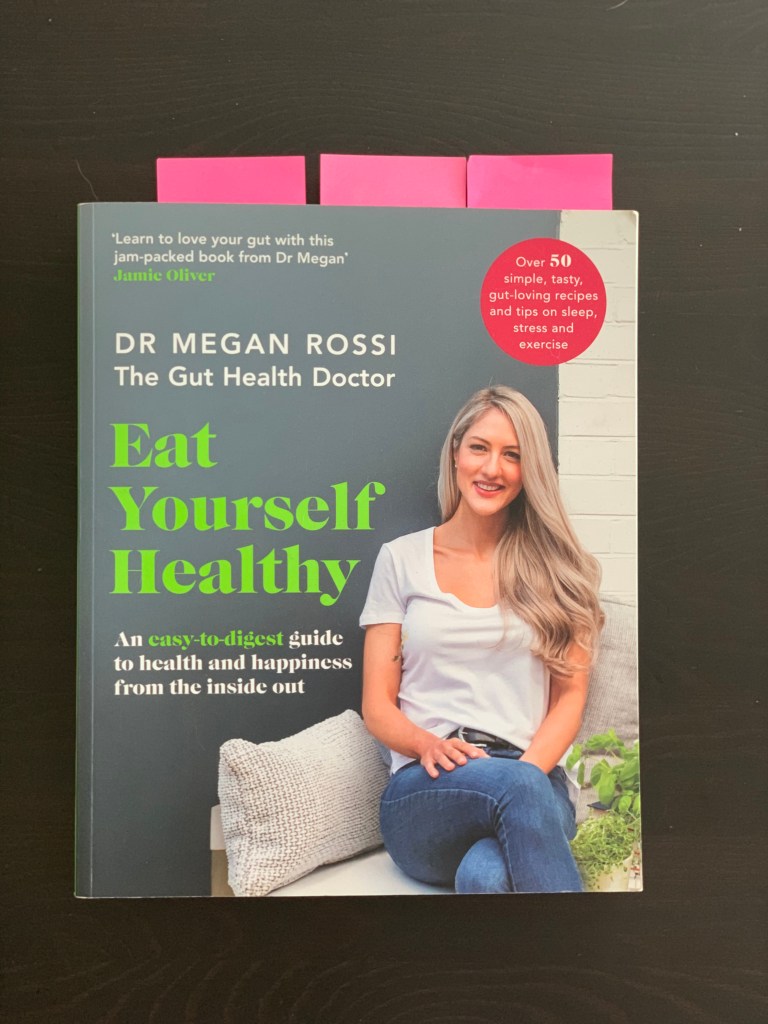
I was never much of a yoga fan (I can’t even touch my toes), but I came to appreciate it in a whole new way once I began fully understanding the benefits. I’ve adopted a gut-friendly yoga routine with the help of Dr. Megan Rossi, author of Eat Yourself Healthy, a book that I HIGHLY recommend if you want to learn more about your digestive tract. This incredible book is packed full of information on the anatomy of your gut, how to nourish your digestive tract, food intolerances, IBS, and how to help your belly outside of the kitchen. The chapter titled “Beyond Diet” includes a gut-directed yoga flow with easy-to-follow color pictures and descriptions. I’ve recommended this book to a few friends who have shared with me that they’re having belly issues. I do the yoga flow when I am bloated or have abdominal pain and sometimes before bed.
This post has been sitting in my “Drafts” because I was hesitant about sharing the story with other people. Who cares about the balloon in my belly or what yoga flow I’m doing? Not many people, I’m sure. But if this reaches even one person who feels stuck, hopeless, or confused, then I will be so happy I might be able to help!
 Taco Cat